
Solargraphy Explained | How a Pinhole Camera Records the Sun
Sep
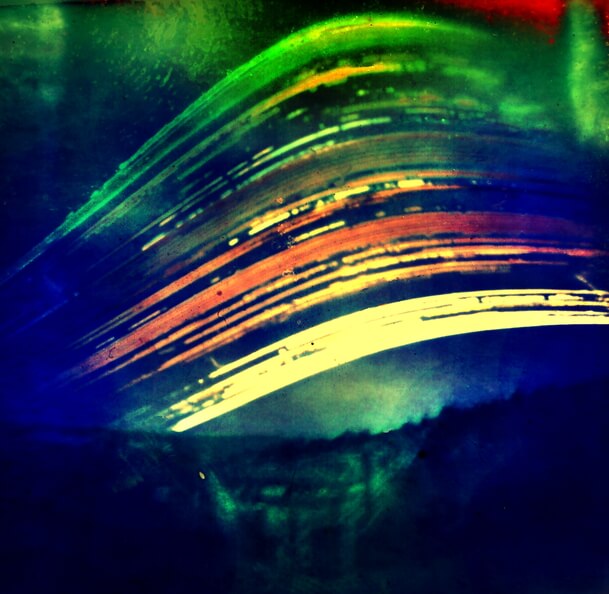
Solargraphy is one of the simplest and at the same time most unusual forms of photography. A small pinhole camera records the path of the sun over days, months or even years. There is no lens, no digital sensor and no shutter. A tiny opening, photographic paper and time are enough to create an image that makes the movement of the sun visible. The result looks very different from a conventional photograph. Bright curved lines cross the sky while buildings, trees and landscapes remain almost still. Each image contains not only a place but also the time that passed there.
What is solargraphy
Solargraphy is a form of extremely long exposure pinhole photography. A lightproof camera containing photographic paper is placed outdoors and remains in the same position for an extended period. Light enters through a very small pinhole and projects an inverted image of the outside world onto the photographic paper. Because the exposure lasts for such a long time, the movement of the sun becomes visible as a series of curved lines across the sky. Depending on the project, a solargraphy exposure can last a few days, several months or even several years.
How does solargraphy work
A solargraphy camera works according to the same basic principle as a camera obscura. Light passes through a very small opening into a dark container. On the opposite side there is a sheet of photographic paper. The pinhole projects the outside world onto this paper. Because the opening is extremely small, only a limited amount of light reaches the paper. This makes very long exposure times possible. The sun is much brighter than the rest of the scene. As it moves across the sky during the day, it leaves a visible trace on the photographic paper. The next day another trace appears. Over weeks and months these individual paths accumulate and create the characteristic pattern of a solargraph.
Why are there several lines in a solargraph
The sun follows a slightly different path through the sky every day because the position of the Earth in relation to the sun changes throughout the year. During summer the sun reaches a higher position in the sky. During winter its path is lower. A camera that remains in the same position for several months records this gradual change. This is why a long solargraph can contain a large band of curved lines. Clouds also become part of the image. When the sun disappears behind clouds, parts of a line can be interrupted or completely missing. Weather therefore becomes visible without being photographed in a conventional way.
How long does a solargraphy exposure take
There is no single correct exposure time for solargraphy. A camera can remain outside for only a few days. In this case only a small number of sun paths become visible. An exposure lasting several months records a much larger section of the changing solar path. Six month exposures are particularly popular because they can document the movement between the summer and winter solstice. Some solargraphy cameras remain in position for a year or even longer. The longer the exposure lasts, the more important the location and stability of the camera become.
Which direction should a solargraphy camera face
The direction of the camera determines which part of the sun path appears in the final image. In the Northern Hemisphere a solargraphy camera is usually pointed toward the southern part of the sky. In the Southern Hemisphere the opposite direction is generally used. The exact angle depends on the location, the field of view of the camera and the composition you want to create. A building, tree, mountain or horizon in the foreground can give the sun paths a visual reference and make the image easier to understand.
What kind of camera is used for solargraphy
A solargraphy camera can be extremely simple. Many photographers build cameras from metal cans, plastic containers or film canisters. The container only needs to be lightproof, weather resistant and large enough to hold a piece of photographic paper. A very small pinhole is made in one side of the camera. The photographic paper is placed opposite the opening. Ready to use solargraphy cameras are also available for people who do not want to construct and load their own camera.
What kind of photographic paper is used
Black and white photographic paper is commonly used for solargraphy. Normally this type of paper is designed to be exposed and then chemically developed in a darkroom. Solargraphy uses it in a very different way. During an extremely long exposure a visible image gradually forms directly on the paper. This means that the image can often be scanned without conventional chemical development.
Does solargraphy need chemical development
In most modern solargraphy processes the paper is not chemically developed. After the exposure the paper is removed from the camera and digitised. The original paper remains sensitive to light, so it must be handled carefully. Once the negative image has been scanned or photographed, it can be inverted digitally. Contrast, brightness and colour can then be adjusted. The exact workflow depends on the project. With The 7th Day, participants send the exposed photographic paper back to the project. Each image is then scanned and processed individually.
Why does solargraphy have colour
One of the most surprising aspects of solargraphy is colour. The photographic paper used for many solargraphs is actually black and white paper. Nevertheless, scanned solargraphs can contain blue, red, yellow, purple and green tones. These colours are created by the unusual conditions of an extremely long exposure and by changes in the photographic material. Temperature, humidity, exposure time and the properties of the paper can all influence the final appearance. This makes every solargraph difficult to predict.
What can a solargraph show
A solargraph records more than the movement of the sun. Permanent objects such as buildings, trees and mountains can remain visible because they stay in approximately the same position throughout the exposure. People, cars and other moving objects usually disappear because they are only present for a very small part of the total exposure time. The final image therefore creates an unusual relationship between things that remain and things that disappear.
Solargraphy as a form of art
Solargraphy is often presented as a photographic experiment, but it is also an artistic method. The photographer can decide where the camera is installed and how the landscape is framed. After that, much of the process is handed over to time, weather and chance. The final photograph cannot be completely controlled or repeated. This makes solargraphy very different from digital photography, where an image can be reviewed immediately after exposure.
Solargraphy and The 7th Day
The 7th Day is an international participatory art project based on the principle of the pinhole camera and extreme long exposure photography. Participants receive a prepared camera containing photographic paper. The camera can be attached to a house, tree or another stable location and exposed for days, months or even longer. After the exposure the photographic paper is sent back to The 7th Day. Every returned image is scanned and processed individually. The photograph can then become part of the growing international project archive. More than 13,000 people have already participated in the project. If you want to create your own long exposure image, you can learn more about the Camera Obscura participation set here.
The history of solargraphy
The modern development of solargraphy is closely connected with photographic experiments around the year 2000 and with artists including Sławomir Decyk, Paweł Kula, Diego López Calvín and Tarja Trygg. The Solaris Project and the later international work of Tarja Trygg helped spread the method around the world. You can read the complete story in our article about the history of solargraphy.
Frequently asked questions about solargraphy
What is solargraphy
Solargraphy is a form of extremely long exposure photography in which a pinhole camera records the movement of the sun over days, months or years.
How long should a solargraphy camera be exposed
An exposure can last from a few days to several years. Several months usually produce a large number of visible sun paths.
Does every line represent one day
Each visible path is created by the movement of the sun during a day. Clouds can interrupt the path, so not every day creates a complete line.
Do I need a darkroom for solargraphy
Not necessarily. Many solargraphy images are digitised directly without conventional chemical development.
Can I make a solargraphy camera myself
Yes. A simple lightproof container, photographic paper and a precisely made pinhole are enough to build a basic solargraphy camera.
Can I buy a ready to use solargraphy camera
Yes. Several ready to use solutions exist. Solarcan is one commercial option. The 7th Day offers a different approach in which the camera becomes part of an international participatory art project and the exposed image is professionally digitised after it is returned. You can read our detailed comparison of Solarcan and The 7th Day here.
