
Solarcan Alternative | Solarcan and The 7th Day Compared
Sep
If you are looking for a Solarcan alternative, The 7th Day offers a different way to create a solargraphy image. Both projects use simple pinhole cameras and photographic paper to record the movement of the sun over long periods of time. The experience after the exposure, however, is quite different. Solarcan is designed as a simple ready to use solargraphy camera. The 7th Day combines the camera with participation in an international art project in which returned images are scanned and processed individually. This comparison explains the differences so you can decide which approach fits what you want to create.
What is Solarcan
Solarcan is a ready to use pinhole camera created for solargraphy. The camera arrives preloaded with photographic paper and includes the components needed to install it outdoors. Once installed, the Solarcan can remain in position for days, weeks or months while the sun creates paths across the photographic paper inside. No conventional chemical development is required. After the exposure the user removes the photographic paper and scans it. The scanned negative is then inverted and adjusted using image editing software. Solarcan also operates an online gallery and a World Map where users can submit their results.
What is The 7th Day
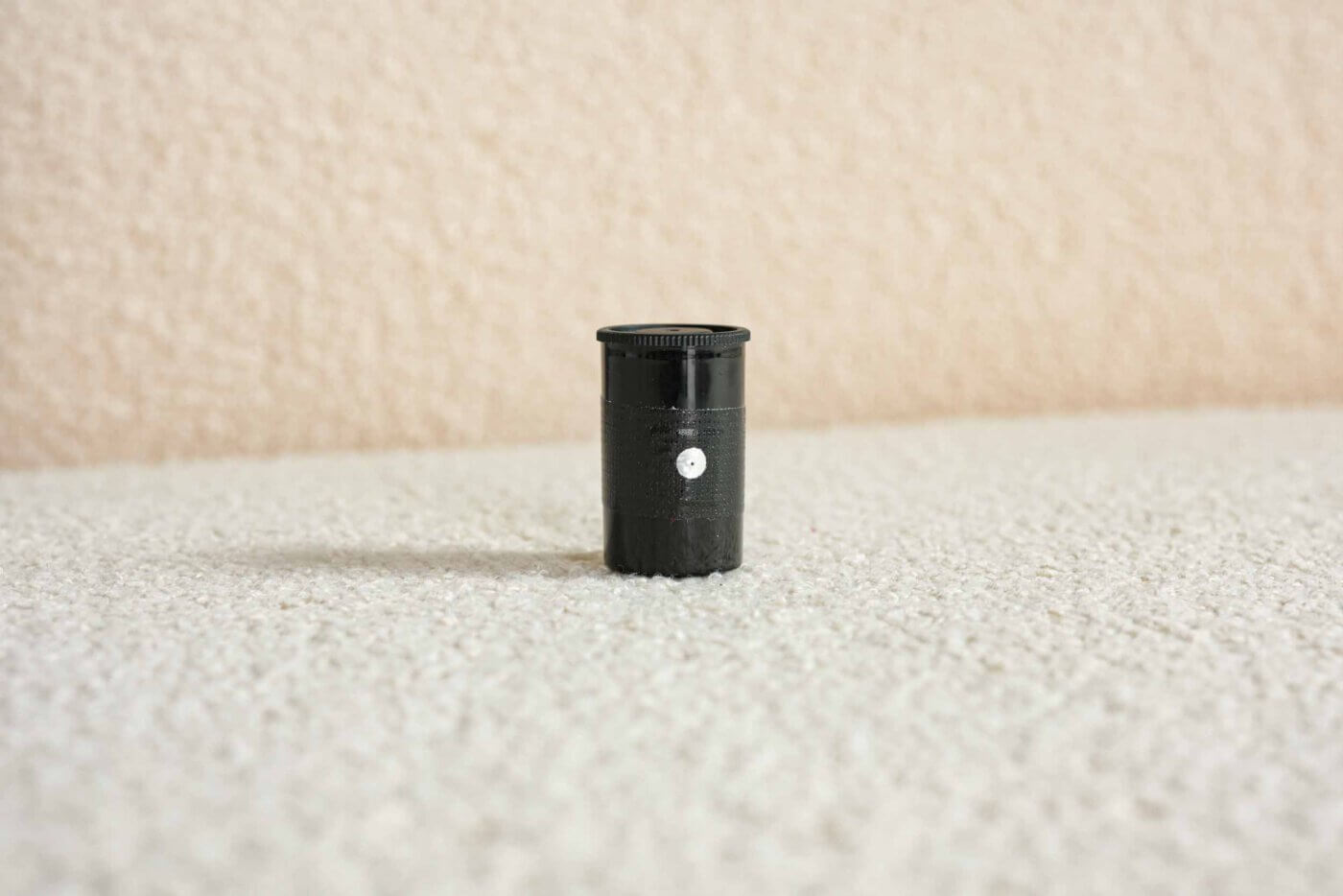
The 7th Day is an international participatory art project using pinhole cameras and extreme long exposure photography. Participants receive a prepared Camera Obscura containing photographic paper. The camera can be attached to a house, tree or another stable location and exposed for a period chosen by the participant. This can be several days, several months or even years. After the exposure the photographic paper is sent back to The 7th Day. The project team scans and processes every returned image individually. The resulting photograph can then become part of the international project archive. More than 13,000 people have already participated in The 7th Day.
Solarcan and The 7th Day compared
| Feature | Solarcan | The 7th Day |
|---|---|---|
| Pinhole camera | Yes | Yes |
| Photographic paper included | Yes | Yes |
| Ready to use | Yes | Yes |
| Suitable for solargraphy | Yes | Yes |
| Very long exposures possible | Yes | Yes |
| Chemical development required | No | No |
| Scanning after exposure | Done by the user | Done by The 7th Day |
| Digital image processing | Done by the user | Done individually by The 7th Day |
| Online image collection | Gallery and World Map | International project archive |
| Participation in an art project | Community centred around the product | Central part of the concept |
| Reload options | Reusable Puck and reload products available | Reload sets available |
What is the main difference between Solarcan and The 7th Day
The largest difference is not the basic camera technology. Both approaches use a simple pinhole camera and photographic paper. The difference is what happens after you create the exposure. With Solarcan, you remove the photographic paper yourself, scan it and digitally process the image. Solarcan provides instructions for scanning, inverting and adjusting the result. With The 7th Day, you return the exposed photographic paper to the project. The image is then scanned and processed individually by The 7th Day. This means you do not need your own scanner or experience with image editing to receive a finished digital image.
Do you have to scan a Solarcan yourself
Yes. Solarcan’s current instructions explain that the exposed photographic paper is removed from the camera and placed onto a scanner. The scan is then imported into image editing software where the colours are inverted and further adjustments can be made. This process gives users direct control over the digital result. It also means that you need access to a scanner or another suitable method of digitising the paper.
What happens to an image from The 7th Day
With The 7th Day, the physical negative returns to the project after the exposure. The project team scans every returned image and processes it individually. This is an important part of the concept. The final photograph is not only the result of a camera. It becomes part of an ongoing collection of images created by participants in different places and at different times.
Solarcan as a ready to use solargraphy camera
Solarcan has a clear advantage for people who want complete control over the process themselves. The camera is prepared in advance and the user installs it, retrieves the photographic paper, scans the image and decides how the final digital photograph should look. Solarcan also offers the Puck, a smaller reusable version of its solargraphy camera. The company has built a large community around submitted photographs, its online gallery and Solarcan World Map.
The 7th Day as a participatory art project
The 7th Day is designed around a different idea. The camera is only one part of the project. The location chosen by the participant, the duration of the exposure, the return of the negative and the later inclusion of the image in the project all form part of the experience. The final result connects an individual photograph with thousands of other images. For participants who want to make a solargraph but do not want to scan and edit the negative themselves, this workflow can also make the process easier.
Which option is better if you do not own a scanner
The 7th Day is particularly suitable if you do not have a scanner or do not want to process the photographic paper yourself. After the exposure you send the negative back and the project handles the digitisation and image processing. With a standard Solarcan, the user is responsible for scanning the exposed photographic paper and digitally developing the image.
Which option is better if you want to process the image yourself
Solarcan is a good choice for people who want to complete every stage themselves. You install the camera, retrieve the paper, scan it and make your own decisions about inversion, colour and contrast. This can be particularly interesting for photographers who already own a scanner and enjoy digital image processing.
Which option is better if you want to participate in an art project
The 7th Day was created specifically as a participatory art project. The goal is not only to provide a camera but to collect images made by people in different places and over different periods of time. The returned negatives connect individual participants with the wider project. If the idea of contributing to an ongoing international artwork is important to you, this is the central difference between The 7th Day and a conventional solargraphy product.
Solarcan community and World Map
Solarcan also has a strong community aspect. Users can submit photographs to the Solarcan website and images can appear in its online gallery and World Map. This provides an interesting overview of Solarcan images produced in different locations. The difference is that submitting the finished image is separate from the process of scanning and editing it.
Can you buy Solarcan in Germany
Yes. Solarcan ships internationally and currently lists stockists in Germany on its official website. If you are searching for a Solarcan alternative in Germany or elsewhere in Europe, The 7th Day offers a different workflow based around participation in an international art project and professional digitisation of the returned negative.
Is The 7th Day a Solarcan alternative
Yes, if you are looking for a ready prepared pinhole camera for extremely long exposure photography but want a different experience after the exposure. Both can produce images of the sun moving across the sky. Solarcan places more of the final process in the hands of the user. The 7th Day places the individual camera inside a larger participatory project and handles the scanning and digital processing after the negative is returned.
What if you want to build a solargraphy camera yourself
You do not necessarily have to buy either product. Solargraphy can be made with a simple homemade pinhole camera, photographic paper and a lightproof container. Building your own camera is one of the most direct ways to explore the technique and can be particularly useful for experiments and educational projects.
Solarcan or The 7th Day
The choice depends mainly on what you want from the project. If you want a ready to use camera and prefer to retrieve, scan and digitally process the image yourself, Solarcan provides a complete and established system. If you want your exposure to become part of an international participatory art project and prefer the scanning and image processing to be handled for you, The 7th Day offers a different approach. Both begin with the same fascinating idea. A tiny opening, a sheet of photographic paper and enough time can turn the movement of the sun into a photograph. If The 7th Day fits what you are looking for, you can get your own Camera Obscura participation set here.
Frequently asked questions about Solarcan alternatives
What is a good Solarcan alternative
The 7th Day is an alternative for people who want to create an extreme long exposure with a prepared pinhole camera while also participating in an international art project. The returned image is scanned and processed by the project.
Does Solarcan need chemical development
No. Solarcan uses photographic paper that can be scanned after the exposure without conventional chemical development.
Do I have to scan a Solarcan myself
Yes. Solarcan’s instructions describe removing the exposed paper, scanning it and digitally inverting the result.
Does The 7th Day scan my photograph
Yes. After you return the exposed negative, The 7th Day scans and processes the image individually.
Can Solarcan be reused
Solarcan offers the reusable Solarcan Puck as well as reload products for it.
Can The 7th Day camera be reloaded
Reload sets are available for participants who want to create another exposure.
Is Solarcan an art project
Solarcan combines photography, education, experimentation and a community gallery. The 7th Day differs because participation in an ongoing international art project is the central concept of the camera experience.
Sources and further information
Official Solarcan website Official Solarcan instructions Solarcan gallery and community images
